After reflecting on this, I have come to the conclusion that reducing crime requires more than just the presence of public authorities like the police—it demands a comprehensive approach centered on supporting citizens through effective policies. Governments must prioritize initiatives that address the root causes of crime, such as poverty, lack of education, unemployment, and social inequality. When people are provided with opportunities and resources to improve their lives, the motivation to engage in criminal activities diminishes significantly.
While law enforcement plays a crucial role in maintaining order, it cannot operate in isolation. A society that lacks robust support systems will inevitably struggle with crime, regardless of the number of police officers on the streets. For this reason, I firmly believe that preventative measures, such as improving access to education, healthcare, and job training, are far more effective in building safer communities.
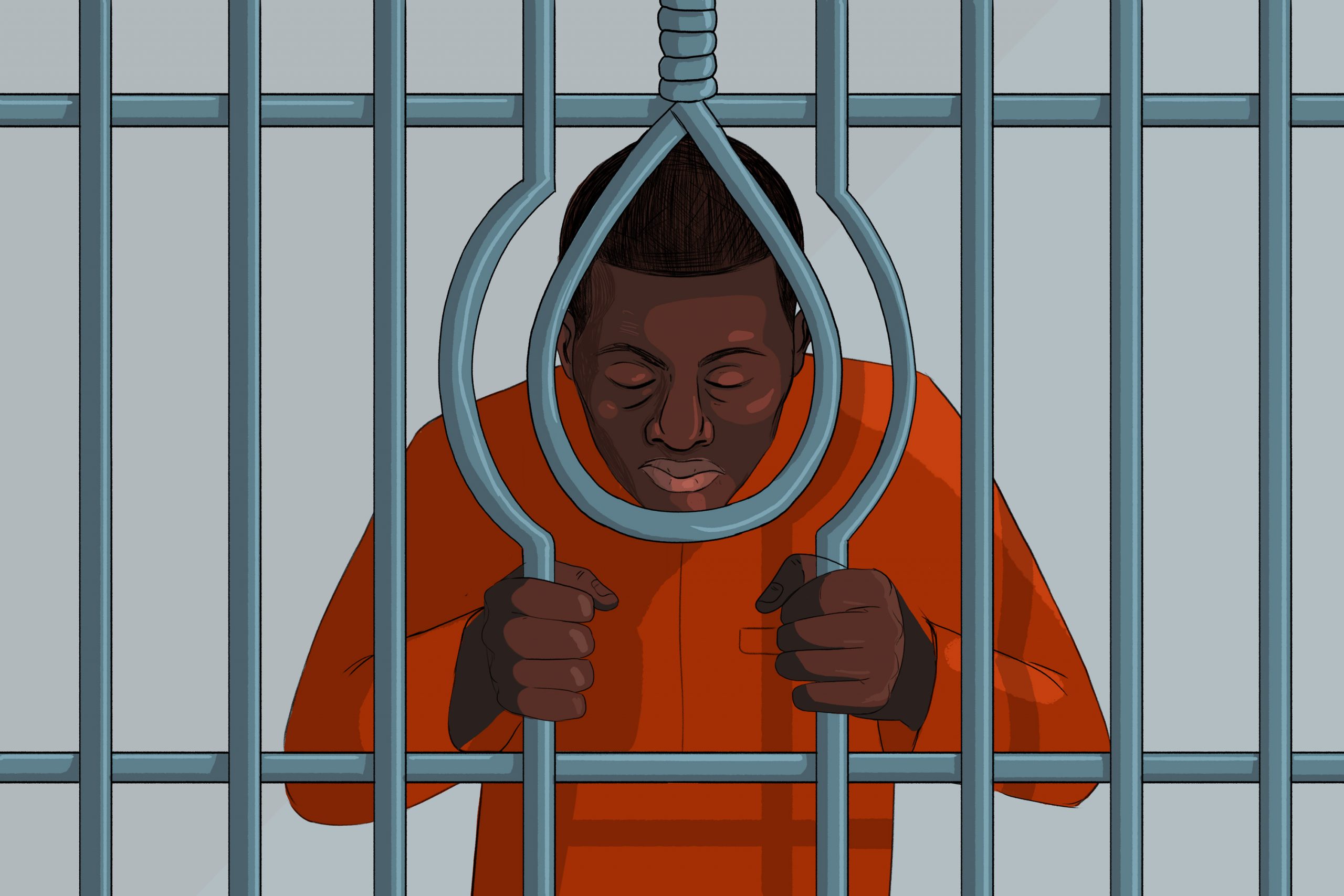
Furthermore, I do not agree with the death penalty as a form of punishment. While there are undoubtedly crimes that warrant severe penalties, implementing the death penalty raises profound ethical and moral concerns. Taking a life in response to a crime, no matter how heinous, places society in a contradictory position. How can we claim to uphold justice and human rights while engaging in state-sanctioned killing?
Instead, I advocate for a justice system that focuses on rehabilitation and accountability. Severe crimes should receive proportionate punishment, but this punishment should aim to reform individuals, allowing them the opportunity to reflect on their actions and potentially contribute positively to society in the future. Resorting to the death penalty not only undermines these principles but also risks the irreversible tragedy of executing an innocent person, a mistake that no justice system can afford.
In conclusion, reducing crime requires a balanced approach that combines enforcement with proactive support for citizens. By addressing the underlying causes of criminal behavior and rejecting ethically questionable practices like the death penalty, we can build a justice system that is not only effective but also fair and humane.
Comentarios
Publicar un comentario