COMENTARY
I have often heard the internet described as a vast sea—a place where we can explore and find almost anything, from general information and entertainment to avenues for communication and connection. This metaphor beautifully captures the boundless opportunities the digital world offers, but it also serves as a reminder of the hidden dangers that lie beneath the surface. The internet is not just a space for learning and socializing; it is also a realm where risks such as criticism, scams, false information, and computer viruses abound. These threats are often the result of individuals or groups whose aim is to harm others, whether out of malice, greed, or simply for their own amusement.
Given these realities, navigating the internet safely and effectively requires more than just basic knowledge; it demands media literacy. Media literacy is the ability to access, analyze, evaluate, and create media across various formats. This skill is essential in today’s world, where misinformation spreads quickly and cyber threats evolve constantly. By developing media literacy, we can better discern credible sources from unreliable ones, protect ourselves from scams, and engage responsibly in online discussions.
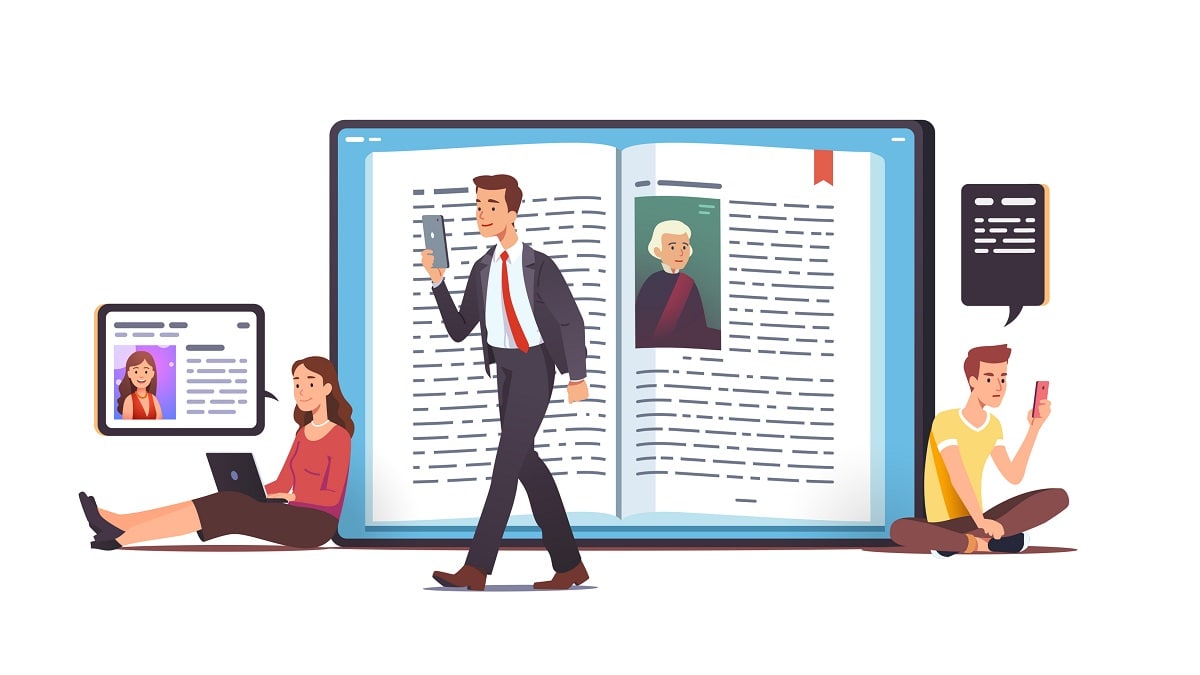
For instance, when evaluating information, it’s important to question the source, check for biases, and compare it with other reliable references. Similarly, understanding the basics of cybersecurity—such as recognizing phishing attempts and maintaining strong passwords—can go a long way in safeguarding personal data. On a broader level, media literacy also involves learning how to create content thoughtfully, ensuring that it contributes positively to the digital ecosystem rather than perpetuating harm or misinformation.
As the internet continues to play a central role in our lives, cultivating media literacy is no longer optional—it’s a necessity. It empowers us to make informed decisions, protects us from digital dangers, and enables us to use the internet not just as passive consumers but as active, responsible participants. In this way, we can transform the internet from a risky sea into a well-charted and navigable expanse, rich with opportunities for growth and connection.
Comentarios
Publicar un comentario